
Archived Page
This page is no longer maintained.
For up-to-date information please see the
new website
Something’s Brewing: Serocold Comforts
The coming of the railway brought something new to Taplow: commuters. Among the first was Charles Pearce-Serocold, senior partner in the Clerkenwell brewers, Reid & Co., for whom he acquired interests in many pubs including The White Hart in Theobald’s Road, The Man-in-the-Moon in Chelsea and The Hole-in-the-Wall between Gray’s Inn and Hatton Garden. Both brewing and Taplow were a big departure from his Cambridgeshire roots. His forebears had long been lords of Uphall Manor in Cherry Hinton or, like his great-grandfather Walter Serocold and his father Edward Pearce-Serocold, rectors of St Andrew’s Church. His maternal grandfather William Pearce had come to Cambridge from Cornwall to be Master of Jesus College in 1789, Dean of Ely in 1797 and to hyphenate with Walter’s daughter Anne.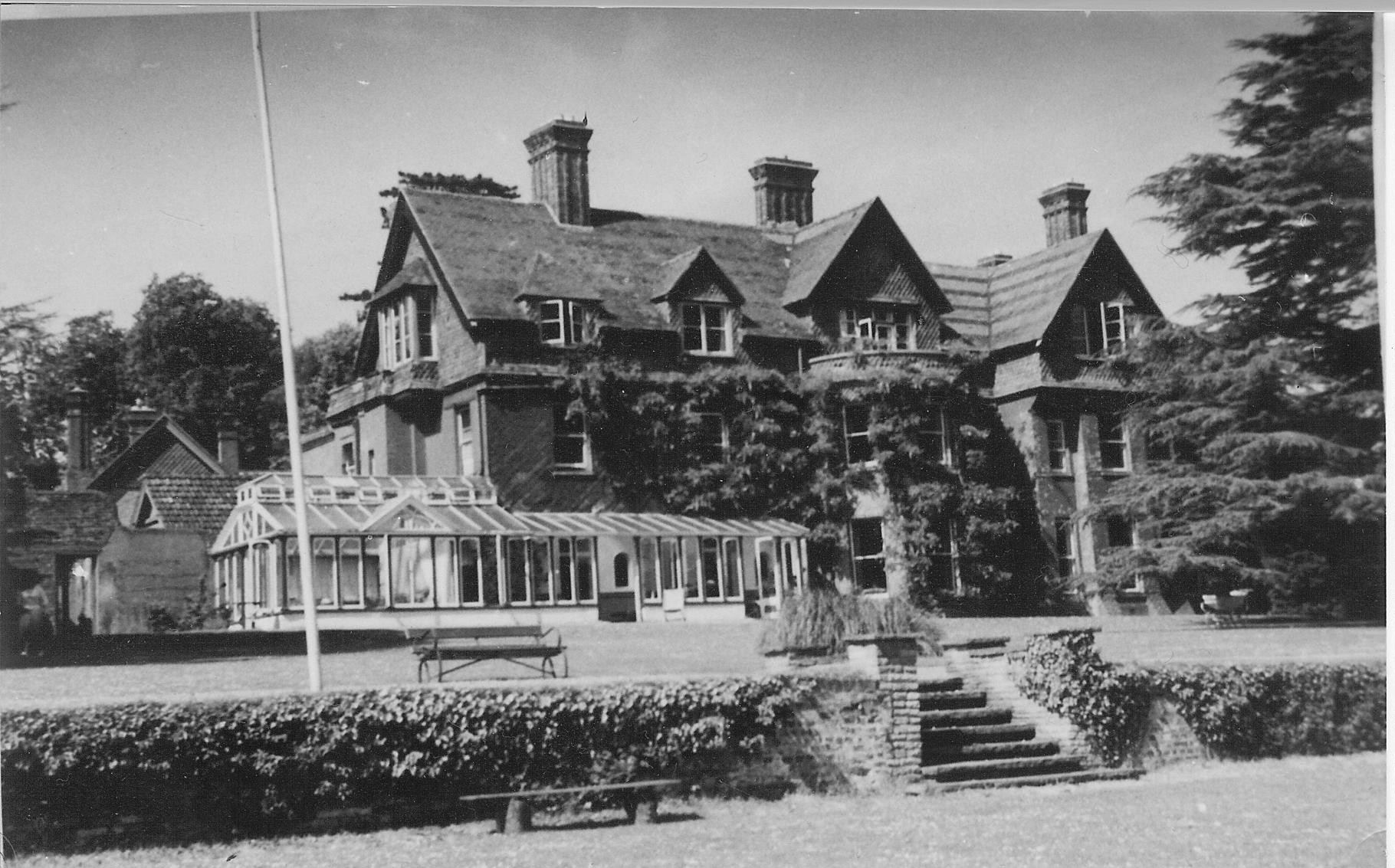 Perhaps Charles discovered Taplow through some lingering Cornish connection that brought him into the social circles where he meet his wife Marie Grenfell, a distant cousin of the Grenfells of Taplow Court. From 1860 he lived at Taplow Hill, a fine mansion off Church Road (now Rectory Road) which he had either built or acquired soon after it had been. With its privacy preserved like Elibank House opposite behind a long brick wall, it was a very comfortable home for him, Marie, their 10 children and 12 servants for 44 years. In their dotage, Charles and Marie took to spending their winters in Bordighera on the Italian Riviera. They both passed away there in 1904 – he in January, she in April. They are commemorated in the lobby of St Nicolas Church by a pair of stained glassed windows portraying Faith and Fortitude.
In 1891 Charles had acquired from Charles William Grenfell a ‘close’ across the road from St Nicolas Church where he built The Red Cottage in 1893. It was rather grand to be a cottage but it made a delightful home for three of his daughters, Marie (known as Minna), Lucy and either Margaret, Caroline, Dorothy or Ruth. Three of their brothers were already building military careers which culminated with their distinguished service during the Great War. Lieutenant-Colonel Oswald Pearce-Serocold commanded the 1st/4th Batallion of the Royal Berkshire Regiment in 1914-1916. He dropped his Pearce prefix when he retired in 1924 after 40 years with the Berkshires. Commander Claud Pearce-Serocold was awarded the OBE in 1918 for his service in Royal Navy intelligence and Brigadier-General Eric Pearce-Serocold of the King’s Royal Rifle Corps was wounded five times in the course of three commands. His injuries weakened his constitution considerably and probably led to his untimely death from pneumonia in 1926.
His father’s brewing background led to Oswald being instrumental in two unions. The first was personal – he married Gwendolyn Combe of rival brewers Combe Delafield & Co. The second was business – Reid and Combe Delafield merged with Watney & Co. in 1898 to become Watney Combe Reid & Co. Oswald and Gwendolyn’s youngest son Walter Serocold eventually built an executive career with Watney Combe Reid and went on to write The History of Watneys in 1949. Eric returned home in 1902 from the Second Boer War in South Africa to suffer a double tragedy. His wife Beatrice Rice died in 1906 giving birth to their second daughter Anne-Marie, who didn’t survive a year. He recovered to marry again, an event that with hindsight completed a royal circle. His second wife Blanche Stanley could claim descent through eight generations from King Charles II and his mistress Barbara Villiers. And in 1923 his fourth cousin Elizabeth Bowes-Lyon married Bertie, the second son of King George V, who succeeded to the throne in 1936 as King George VI. Being a distant cousin to the future Queen Elizabeth II is unlikely to have been much consolation for Blanche and Eric’s youngest son Arthur Pearce-Serocold, a captain in the Welsh Guards when he was killed in action in Tunisia in 1942.
Memories of Taplow Hill are vague now. It rather lost its identity after 1940 when Oswald sold it and moved to Maidenhead. The prospect of having a large number of munitions workers from the new Slough Trading Estate billeted in his home was just too much for the old chap. However things turned out rather differently. The Dutch High Command was temporarily stationed at Maryfield, some strings were pulled and Taplow Hill spent the rest of the war as a rest and rehabilitation centre for Dutch merchant seaman. After the war it was reinvented as the All Nations Bible College which also made The Red Cottage a hostel for its students. We will pick up this thread later to discover how The Red Cottage became St Nicolas House and Cedar Chase replaced Taplow Hill.
Tall Tales – Spinsters on Show
Local legend tells that despite having plenty of land to play with Charles Pearce-Serocold had The Red Cottage built close to the road so prospective suitors would have a splendid opportunity to see his three daughters were each in need of a husband. If this was the plan it worked well for Lucy Pearce-Serocold and the third sister, but Minna Pearce-Serocold was beyond temptation. As ladies of independent means were wont to do, she busied herself in the church, parish business, local history and helping at Cliveden Hospital during both world wars but she remained a happy spinster until she died in 1948.
[This article gives a taste of a forthcoming new book by Society member Nigel Smales with the working title Taplow Ancient and Modern. The book will be comprehensively illustrated with photographs, illustrations, maps and family trees and it will cover neighbouring Hitcham. It will focus on the four key periods of Taplow’s history – the early Britain, Roman and Saxon beginnings; the shaping into medieval manors; the sweep on to the central stage of national affairs; the recent past and present. Nigel is asking our readers to share with him memories and pictures of local places and people past and present - especially of the last three or four generation. His contact details are cazanig@aol.com, 01628 661636 or The Cottage, Rectory Road. All profits from the sales of Taplow Ancient and Modern will go to St Nicolas‘ Church.]
Perhaps Charles discovered Taplow through some lingering Cornish connection that brought him into the social circles where he meet his wife Marie Grenfell, a distant cousin of the Grenfells of Taplow Court. From 1860 he lived at Taplow Hill, a fine mansion off Church Road (now Rectory Road) which he had either built or acquired soon after it had been. With its privacy preserved like Elibank House opposite behind a long brick wall, it was a very comfortable home for him, Marie, their 10 children and 12 servants for 44 years. In their dotage, Charles and Marie took to spending their winters in Bordighera on the Italian Riviera. They both passed away there in 1904 – he in January, she in April. They are commemorated in the lobby of St Nicolas Church by a pair of stained glassed windows portraying Faith and Fortitude.
In 1891 Charles had acquired from Charles William Grenfell a ‘close’ across the road from St Nicolas Church where he built The Red Cottage in 1893. It was rather grand to be a cottage but it made a delightful home for three of his daughters, Marie (known as Minna), Lucy and either Margaret, Caroline, Dorothy or Ruth. Three of their brothers were already building military careers which culminated with their distinguished service during the Great War. Lieutenant-Colonel Oswald Pearce-Serocold commanded the 1st/4th Batallion of the Royal Berkshire Regiment in 1914-1916. He dropped his Pearce prefix when he retired in 1924 after 40 years with the Berkshires. Commander Claud Pearce-Serocold was awarded the OBE in 1918 for his service in Royal Navy intelligence and Brigadier-General Eric Pearce-Serocold of the King’s Royal Rifle Corps was wounded five times in the course of three commands. His injuries weakened his constitution considerably and probably led to his untimely death from pneumonia in 1926.
His father’s brewing background led to Oswald being instrumental in two unions. The first was personal – he married Gwendolyn Combe of rival brewers Combe Delafield & Co. The second was business – Reid and Combe Delafield merged with Watney & Co. in 1898 to become Watney Combe Reid & Co. Oswald and Gwendolyn’s youngest son Walter Serocold eventually built an executive career with Watney Combe Reid and went on to write The History of Watneys in 1949. Eric returned home in 1902 from the Second Boer War in South Africa to suffer a double tragedy. His wife Beatrice Rice died in 1906 giving birth to their second daughter Anne-Marie, who didn’t survive a year. He recovered to marry again, an event that with hindsight completed a royal circle. His second wife Blanche Stanley could claim descent through eight generations from King Charles II and his mistress Barbara Villiers. And in 1923 his fourth cousin Elizabeth Bowes-Lyon married Bertie, the second son of King George V, who succeeded to the throne in 1936 as King George VI. Being a distant cousin to the future Queen Elizabeth II is unlikely to have been much consolation for Blanche and Eric’s youngest son Arthur Pearce-Serocold, a captain in the Welsh Guards when he was killed in action in Tunisia in 1942.
Memories of Taplow Hill are vague now. It rather lost its identity after 1940 when Oswald sold it and moved to Maidenhead. The prospect of having a large number of munitions workers from the new Slough Trading Estate billeted in his home was just too much for the old chap. However things turned out rather differently. The Dutch High Command was temporarily stationed at Maryfield, some strings were pulled and Taplow Hill spent the rest of the war as a rest and rehabilitation centre for Dutch merchant seaman. After the war it was reinvented as the All Nations Bible College which also made The Red Cottage a hostel for its students. We will pick up this thread later to discover how The Red Cottage became St Nicolas House and Cedar Chase replaced Taplow Hill.
Tall Tales – Spinsters on Show
Local legend tells that despite having plenty of land to play with Charles Pearce-Serocold had The Red Cottage built close to the road so prospective suitors would have a splendid opportunity to see his three daughters were each in need of a husband. If this was the plan it worked well for Lucy Pearce-Serocold and the third sister, but Minna Pearce-Serocold was beyond temptation. As ladies of independent means were wont to do, she busied herself in the church, parish business, local history and helping at Cliveden Hospital during both world wars but she remained a happy spinster until she died in 1948.
[This article gives a taste of a forthcoming new book by Society member Nigel Smales with the working title Taplow Ancient and Modern. The book will be comprehensively illustrated with photographs, illustrations, maps and family trees and it will cover neighbouring Hitcham. It will focus on the four key periods of Taplow’s history – the early Britain, Roman and Saxon beginnings; the shaping into medieval manors; the sweep on to the central stage of national affairs; the recent past and present. Nigel is asking our readers to share with him memories and pictures of local places and people past and present - especially of the last three or four generation. His contact details are cazanig@aol.com, 01628 661636 or The Cottage, Rectory Road. All profits from the sales of Taplow Ancient and Modern will go to St Nicolas‘ Church.]